
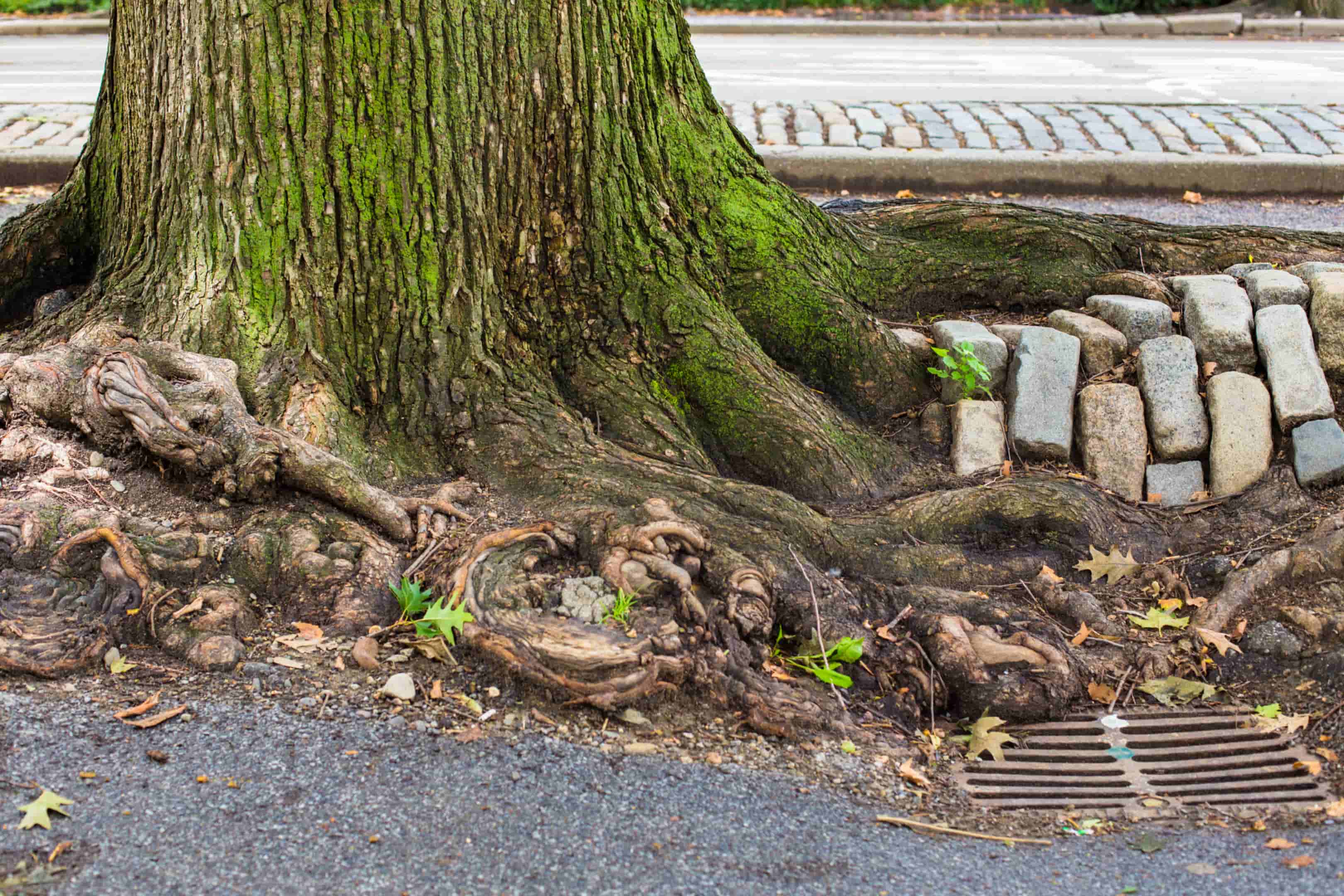
Mature trees shade many older streets in Joplin and Carthage, and many sewer lines beneath them are clay or cast iron. That combination makes tree roots in sewer line pipes a frequent problem for homeowners and business owners. Fall is the time to clear them before a partial blockage becomes a winter backup.
How Do Tree Roots Get Into a Sewer Line?
According to the City of Traverse City, Michigan, roots follow water vapor escaping from a pipe to cracks or loose joints, then grow inside. New Mexico State University Extension adds that root problems are worse in older sewer systems, while properly installed plastic pipe resists intrusion. That’s why tree roots in sewer line joints most often show up in older clay and cast-iron lines.
What Are the Warning Signs of Tree Roots in a Sewer Line?
Roots snag toilet paper and grease, gradually narrowing the line. Common signs of tree roots in sewer line trouble include:
- Slow drains in several fixtures at once
- Gurgling toilets when a sink or washing machine drains
- Soggy or unusually green patches of lawn above the line
- Clogs that return soon after a drain is cleared
One slow sink usually means a local clog. Several slow fixtures point to a main line issue.
How Does a Camera Inspection Confirm Roots in Your Sewer Line?
Symptoms suggest roots, but they don’t prove it. The U.S. Environmental Protection Agency’s sewer cleaning and inspection fact sheet calls closed-circuit television the most effective way to inspect a sewer’s interior. A sewer camera inspection shows where roots entered and whether the pipe is cracked or sagging. It also confirms whether tree roots in sewer-line pipes are the real cause, rather than grease or a collapse. Our post on sewer camera inspections in Joplin explains the process.
How Do You Remove Tree Roots From a Sewer Line?
How to remove tree roots from sewer line pipes depends on what the camera finds. The EPA describes three approaches:
- Mechanical Cutting: Rotating blades cut roots and work best in lines up to 12 inches in diameter, according to the EPA.
- Hydro Jetting: High-velocity water cuts roots and flushes debris from small-diameter pipes.
- Chemical Root Control: The EPA reports effects lasting about two to five years.
Hydro jetting tree roots scrubs the entire pipe wall, as our comparison of hydro jetting vs. drain snaking explains. If the pipe is cracked or collapsed, though, repair is the lasting fix.
Why Is Fall the Best Time to Deal With Tree Roots in Your Sewer Line?
University of Illinois Extension reports that roots have a growth spurt in the fall, when soil temperature and moisture are moderate. Roots already inside your pipe keep spreading. Clearing them now beats the holidays, when guests and extra cooking push more wastewater through a narrowed line.
Spring River Drain & Sewer Inc. can stop roots before they stop your drains. Call (417) 487-4152 today to schedule a sewer camera inspection for your home or business. We’ll show you the footage and give you an upfront quote before work begins. From root cutting to sewer line repair, Joplin property owners can count on our team to keep tree roots from turning sewer line joints into a winter emergency.